The development of custom web platforms
The design of a professional website is based on a structured information architecture and an optimized user experience. This process involves coordinating technical and creative skills to produce a functional digital tool that reflects an organization’s identity and objectives while being accessible to its audience.
The steps to creating a website
The creation of a web project follows a methodical process that guarantees consistency between the initial needs and the final product, from functional analysis to the actual launch of the platform.
01
Needs analysis and specifications
This initial phase involves defining the website’s objectives, target audience, and expected functionalities in a detailed specifications document, which serves as a reference document.
02
Interface and user experience design
Mockups and user interface (UI) design are developed to ensure intuitive navigation and a smooth user experience (UX), while adhering to the future graphic charter.
03
Development and technical integration
Front-end and back-end development are carried out to build the website’s structure, integrate functionalities, and connect the content management system (CMS) or databases.

Search engine optimization

Search engine optimization, or SEO, aims to improve a website’s ranking in search engine results pages (SERPs) for relevant queries, thereby increasing its organic visibility and qualified traffic.
- Semantic analysis
- Technical optimization
- Content structure
Developing the visual identity
The visual identity is a central element of communication that ensures recognition and consistency across all media. It is embodied in a graphic charter that codifies the use of the constituent elements of the brand.

Creating a distinctive logo
Design a unique logo that stands out and represents your brand.

Establishing a color palette
Pick a cohesive color palette that reflects your brand.

Developing a consistent brand voice
Create a tone and style for all your communications that reflects your brand personality and ensures consistency across platforms.

Defining a legible typography
Choose clear, readable typography for easy understanding.
Website hosting solutions
Choosing web hosting is a crucial technical decision for the performance, security, and availability of an online platform. The solution must be adapted to the expected traffic volume and the necessary resources.

Shared hosting
Server resources are shared among multiple users, a common option for websites with moderate traffic.

Dedicated server
A server is entirely allocated to a single client, offering complete control and high performance for demanding platforms.

Cloud hosting
Resources are distributed across a network of virtual servers, allowing for great flexibility and better management of traffic spikes.
The mechanisms of digital advertising
Online advertising allows businesses to promote content, products, or services to a targeted audience through various channels and formats. It relies on bidding systems for displaying ads on search engines (SEA) or on third-party websites via display networks. Advertising strategies are designed to achieve conversion objectives, such as lead generation or sales, by optimizing the return on investment (ROI) of the campaigns.
Different advertising campaign formats
Advertising platforms offer a variety of formats to meet specific objectives, ranging from brand awareness to direct user engagement across various digital channels.

Search engine Ads
These text ads appear at the top of search results pages for specific keywords, capturing an audience actively searching for information or solutions.

Banner Ads
Visual banners, or display ads, are displayed on a network of partner websites, allowing advertisers to reach a broad audience based on demographic or behavioral criteria.

Social media Ads
These ads leverage users’ socio-demographic data and interests to deliver targeted messages directly into their news feeds or dedicated spaces.
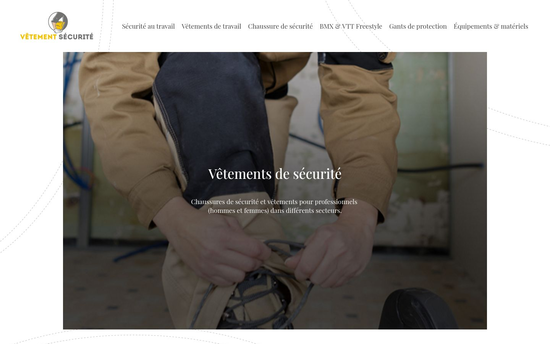
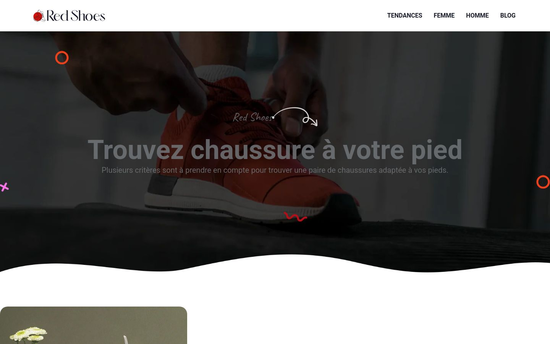
Websites creation for the safety clothing sector and Red Shoes footwear.
In-depth knowledge of the technical and aesthetic requirements related to protective equipment enables the development of platforms tailored to professionals in the sector. Custom features including detailed product sheets, safety-standard filters, stock management, and e-commerce modules ensure a clear and high-performance presentation of the products.